From the blog
How Long Does a New Roof Actually Last?
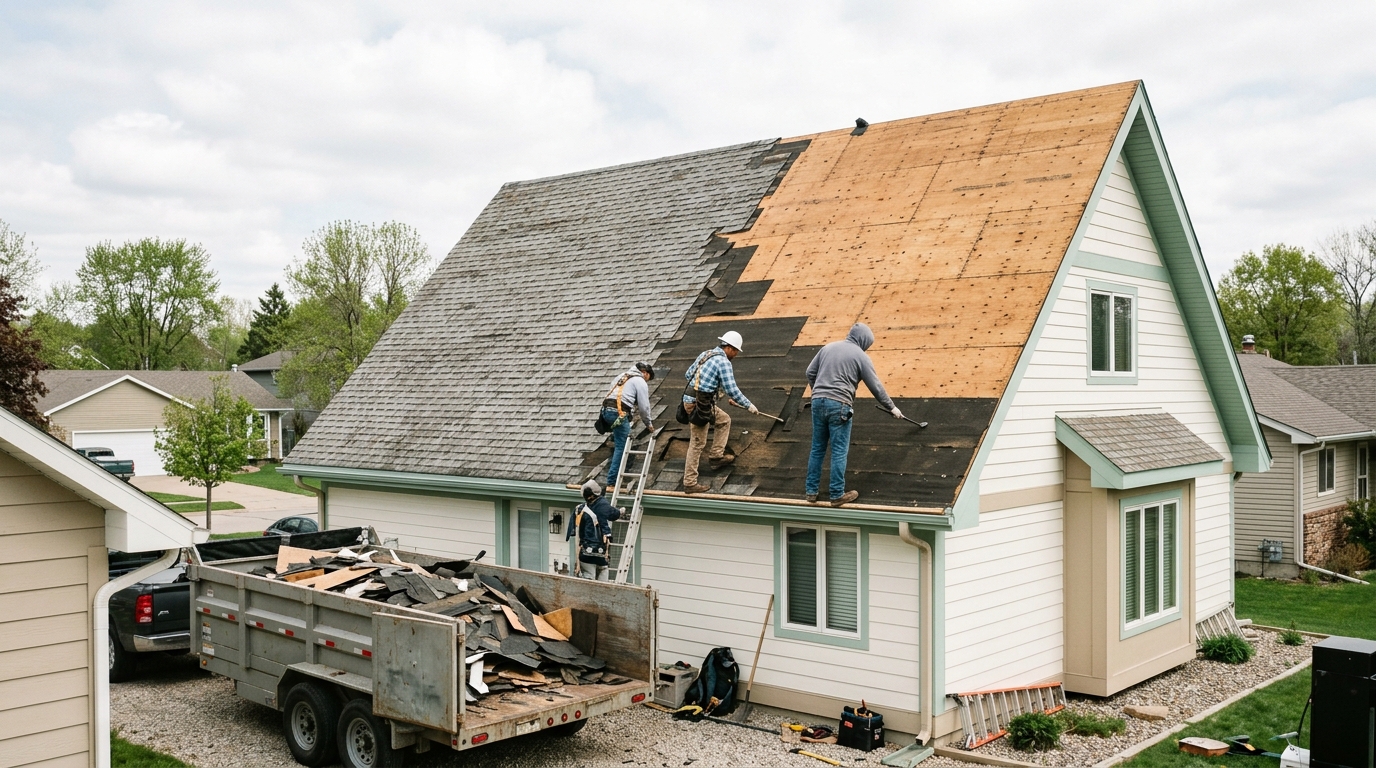
A new roof lasts between 20 and 50 years, depending on the material - asphalt shingles average 25–30 years, metal roofs 40–70 years, and slate or tile roofs 50–100 years. Installation quality, climate, and maintenance routines determine where your roof lands within that range.
That's the honest, direct answer. But "how long does a roof last" is really several questions packed into one: What material are we talking about? Where do you live? Did the contractor install it correctly? Let's break it all down so you can set realistic expectations - and protect your investment.
Roof Lifespan by Material: A Direct Comparison
Material choice is the single biggest factor in roof longevity. Here's exactly what each option delivers:
- 3-Tab Asphalt Shingles: 15–25 years. The entry-level option - lighter, cheaper, and the shortest lifespan in the asphalt family.
- Architectural (Dimensional) Asphalt Shingles: 25–30 years. The most common residential roofing material in North America. Thicker layering dramatically improves wind and impact resistance over 3-tab shingles.
- Impact-Resistant Asphalt Shingles (Class 4): 30–40 years. Reinforced with rubber polymers. Many insurers offer premium discounts for these.
- Standing Seam Metal: 40–70 years. Steel and aluminum panels with concealed fasteners. Resists UV, wind up to 140 mph, and heavy snow loads with minimal maintenance.
- Stone-Coated Steel: 40–70 years. Combines metal durability with an aesthetic close to traditional shingles or tile.
- Concrete Tile: 40–50 years. Heavy but highly durable. Requires reinforced roof framing to handle the weight.
- Clay Tile: 50–100 years. Common in the Southwest and Mediterranean-style homes. Extremely resistant to heat and UV degradation.
- Natural Slate: 75–150 years. The gold standard for longevity. Some historic slate roofs in New England and Europe have exceeded 150 years of service.
- Cedar/Wood Shake: 25–30 years. Attractive and naturally insulating, but requires consistent maintenance (cleaning, sealing, moss treatment) to reach the upper end of that range.
- EPDM/TPO Flat Roofing: 20–30 years. Standard for low-slope and commercial roofs. Lifespan is highly dependent on membrane thickness and seam quality.
The 5 Factors That Determine Where Your Roof Lands in That Range
1. Installation Quality
A 30-year architectural shingle installed by an inexperienced crew with improper flashing, inadequate underlayment, or skipped ventilation can fail in under 15 years. The National Roofing Contractors Association (NRCA) estimates that 40% of all premature roof failures trace back to installation errors - not material defects. Hire licensed, manufacturer-certified contractors and always verify they follow the manufacturer's installation specifications for the warranty to hold.
2. Ventilation and Attic Conditions
Poor attic ventilation is a silent roof killer. When hot, humid air gets trapped under the deck, it superheats the underside of your shingles, causing them to blister, curl, and crack years ahead of schedule. In cold climates, inadequate ventilation creates ice dams that force water under shingles. The standard benchmark is 1 square foot of ventilation for every 150 square feet of attic floor space- a balanced intake-to-exhaust system achieves this best.
3. Climate and Weather Exposure
Geography shortens or extends roof life significantly. Roofs in high-UV climates like Arizona or Florida age faster than identical roofs in the Pacific Northwest. Frequent hail, sustained high winds, heavy snow loads, and freeze-thaw cycles all accelerate wear. Impact-resistant Class 4 shingles were specifically engineered for hail-prone regions like the Great Plains and Midwest - they're worth the cost premium if you're in those zones.
4. Roof Pitch and Drainage
Steep roofs (6:12 pitch and above) shed water and debris faster, reducing pooling and biological growth. Low-slope roofs hold moisture longer, which accelerates granule loss on asphalt and promotes moss and algae colonization. If you have a low-slope section, it often makes sense to use a different material - like TPO or modified bitumen - than to force asphalt shingles into a situation they're not engineered for.
5. Maintenance Frequency
Roofs that receive annual inspections and timely small repairs consistently outlast neglected roofs by 5–10 years. Clearing debris from valleys and gutters, replacing cracked caulk around flashing, and treating moss or algae growth early are all low-cost interventions that prevent expensive structural damage. A single failed pipe boot flashing - a repair that typically costs under $300 - left unaddressed can cause tens of thousands of dollars in interior water damage within one rainy season.
Manufacturer Warranties vs. Real-World Lifespan
Don't confuse warranty length with actual expected lifespan. Manufacturer warranties often come in two flavors:
- Limited Lifetime Warranty: Common on premium architectural shingles. "Lifetime" typically means the life of the original owner's home, and coverage degrades significantly after year 10 or 12 in most contracts. Read the pro-rated schedule carefully.
- 50-Year or 30-Year Warranties: More transparent about time limits. Still often pro-rated after an initial full-coverage period of 5–10 years.
Workmanship warranties from contractors - separate from manufacturer warranties - typically run 1–10 years. Manufacturer-certified contractors (GAF Master Elite, Owens Corning Preferred, CertainTeed SELECT ShingleMaster) can offer enhanced system warranties that cover both materials and labor, sometimes for up to 50 years. These are worth prioritizing.
Signs Your Roof Is Approaching End of Life
Age is one signal, but these physical indicators confirm it's time to plan for replacement:
- Granule loss: Gutters filled with shingle granules mean the UV-protective coating is gone. Shingles become brittle quickly after this point.
- Curling or cupping shingles: Edges that curl upward (cupping) or centers that buckle (clawing) indicate heat damage, moisture intrusion, or improper installation.
- Daylight in the attic: Any visible light through the roof deck means structural integrity is already compromised.
- Sagging sections: Structural rot in the deck or rafters requires immediate attention - this goes beyond just a roofing job.
- Repeated interior leaks: If you've patched the same area two or more times without success, the system has failed beyond spot-repair viability.
- Shingles past the 20-year mark with any of the above: Compounding repairs on an aging system rarely makes financial sense against a full replacement.
Repair vs. Replace: The 50% Rule
A practical industry benchmark: if the cost of repairs exceeds 50% of the cost of full replacement, replacement is the smarter financial decision. You stop throwing money at a depreciating asset and reset the clock with a new system, new warranty, and modern energy-efficient materials. Many roofing contractors offer free inspections - use at least two independent estimates before committing to either path.
How to Maximize Your Roof's Lifespan
- Schedule professional inspections every 1–2 years, plus after any major storm event.
- Keep gutters clean - clogged gutters cause water to back up under the first course of shingles.
- Trim tree branches within 6 feet of the roof surface to reduce debris accumulation and abrasion.
- Apply zinc or copper strips near the ridge to inhibit moss and algae growth in humid climates.
- Address flashing failures (around chimneys, skylights, and valleys) the moment they're identified - they're the most common source of leaks.
- Ensure your attic insulation meets current energy code minimums, which also protects shingles from excessive heat cycling.
How long does a 30-year shingle actually last?
A 30-year architectural shingle realistically lasts 22–28 years under average conditions. Excellent ventilation, a steep pitch, and consistent maintenance push it toward 30. Poor installation, extreme heat exposure, or chronic debris accumulation pull it closer to 20.
Does a metal roof really last 50 years?
Yes - standing seam metal roofs routinely reach 50–70 years with minimal maintenance. The key is proper installation with factory-trained crews, correct fastener placement, and quality coatings. Exposed-fastener metal panels have shorter lifespans (20–30 years) because the fastener penetrations are vulnerable to sealing failure over time.
Will a new roof increase my home's value?
A new asphalt shingle roof returns roughly 60–70% of its cost in resale value on average, based on remodeling cost-vs-value studies. Metal and tile roofs in markets where buyers understand their durability can return higher percentages. Beyond resale numbers, a new roof removes a significant buyer negotiation point and can directly accelerate a home sale.
Can I put new shingles over my existing roof?
Most building codes allow one layer of new shingles over an existing layer. However, this approach traps the old shingles beneath, reduces the new roof's lifespan by 5–10 years, and prevents inspection of the decking for rot or damage. Full tear-off and replacement is almost always the more cost-effective long-term choice.
How do I know if my roof damage is covered by homeowner's insurance?
Homeowner's insurance typically covers sudden, storm-related damage - hail, wind, falling trees - but excludes damage from age, neglect, or lack of maintenance. Document damage immediately after any storm event with dated photos, file your claim promptly, and request that the adjuster's inspection happen while damage evidence is still visible. Having an independent roofing contractor present during the adjuster's visit often leads to more complete claim settlements.
