From the blog
The Complete 2026 Guide to Filing a Roof Insurance Claim in Tennessee
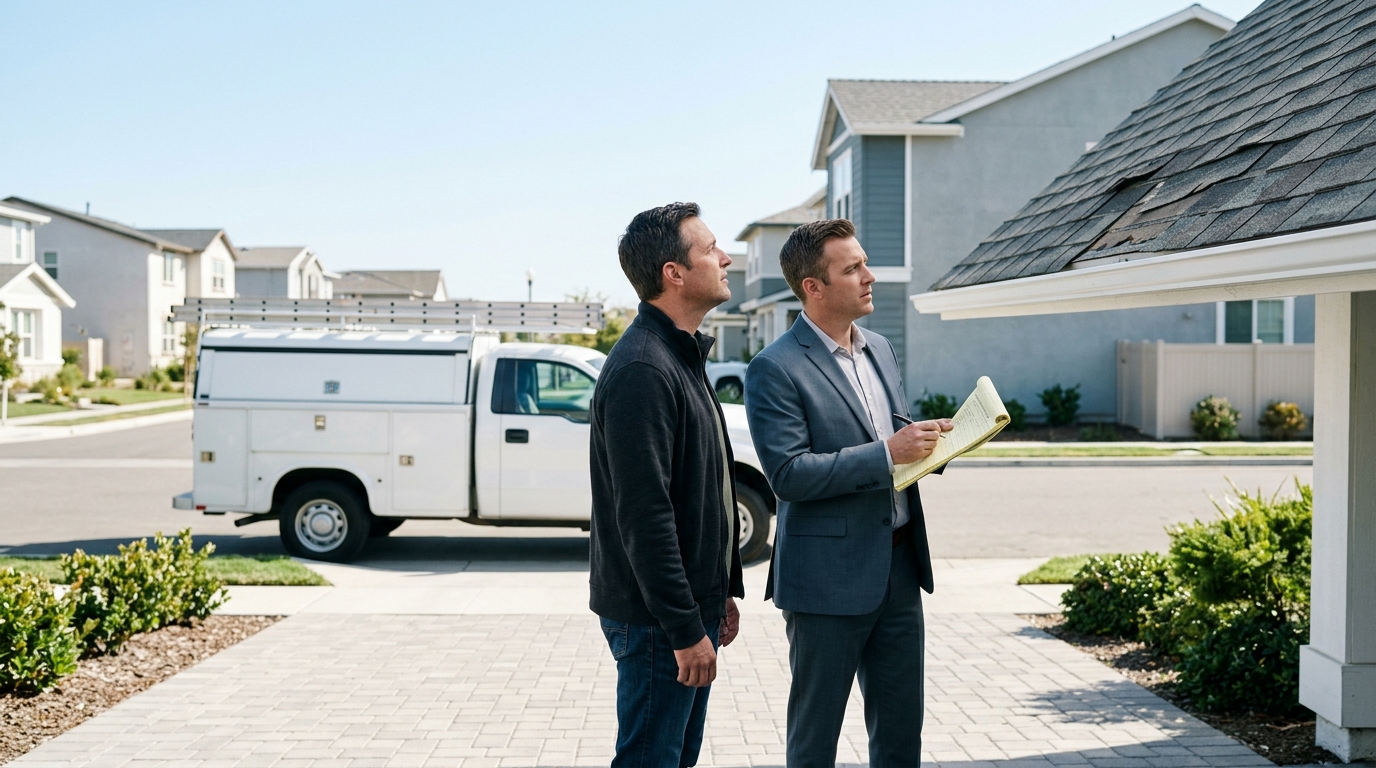
How to File a Roof Insurance Claim in Tennessee: A Complete 2026 Guide
Filing a roof insurance claim in Tennessee requires documenting storm damage within 24–48 hours, notifying your insurer before making permanent repairs, and meeting your adjuster on-site with a licensed roofing contractor present. Homeowners who follow each step in order recover significantly more from their claims than those who call their insurer before assessing damage themselves.
Middle Tennessee sits in one of the most storm-active corridors in the Southeast. Hail, high winds, and tornadoes routinely damage thousands of roofs across Nashville, Franklin, Murfreesboro, and Hendersonville every spring and fall. Knowing the exact process before a storm hits is the single biggest advantage you can have when a claim becomes necessary.
Step 1: Document the Damage Before You Call Anyone
The moment it is safe to do so after a storm, document every piece of visible damage from the ground. Use your smartphone to photograph and video dented gutters, missing shingles, granule accumulation in downspouts, and any interior water intrusion. Note the date and time each photo was taken - your phone's metadata will serve as timestamped evidence.
Do not climb onto the roof yourself. A licensed roofing contractor equipped with a drone inspection system can safely capture high-resolution imagery of field damage, ridge caps, flashing, and skylights without putting you at risk. A drone inspection also produces a documented flight record and georeferenced photos that insurers treat as credible evidence.
Cover any interior openings with a tarp to prevent additional water damage, but avoid permanent repairs until your adjuster has inspected the property. Making permanent fixes before an inspection gives your insurer grounds to dispute the cause of damage.
Step 2: Review Your Policy Before Filing
Pull out your homeowners insurance declarations page and identify three critical figures before you pick up the phone:
- Deductible amount- Many Tennessee policies now carry a separate wind/hail deductible expressed as a percentage of your dwelling coverage (commonly 1%–2%), not a flat dollar figure.
- Replacement Cost Value (RCV) vs. Actual Cash Value (ACV)- RCV policies pay the full cost to replace your roof with materials of like kind and quality. ACV policies depreciate the payout based on your roof's age. A 15-year-old asphalt roof on an ACV policy may receive a settlement 40%–60% lower than a comparable RCV policy.
- Filing deadline- Tennessee law (T.C.A. § 56-7-130) requires insurers to acknowledge a claim within 10 days, but your policy may impose a shorter window - often one year from the date of loss - for you to file. Check your policy's "duties after loss" section.
Step 3: File the Claim and Schedule the Adjuster Visit
Contact your insurance company's claims line or online portal to open the claim. Record your claim number, the adjuster's name, and the scheduled inspection date in writing. Request email confirmation of every communication - this creates a paper trail that protects you if the claim is later disputed.
When you schedule the adjuster's visit, also schedule your roofing contractor to be present at the same time. This is the most important tactical decision in the entire claims process.
What to Say to Your Insurance Adjuster During a Roof Inspection
The adjuster works for the insurance company. A qualified roofing contractor works for you. Having both present during the inspection ensures that no damage goes unnoticed and that you are not pressured into accepting a scope of loss that undervalues your claim.
During the inspection, use factual, specific language:
- State the storm date and reference any National Weather Service records for your zip code confirming hail size or wind speed on that date.
- Point to specific damage indicators: bruising on shingles (soft spots beneath surface granules), hail hits on soft metals like ridge vents and gutters, and any lifted or displaced flashing.
- Ask the adjuster to document every damaged item on the scope of loss, including gutters, downspouts, skylights, and any HVAC equipment on the roof.
- Avoid speculative language. Say "this gutter shows 47 hail impact dents consistent with the April 3rd storm event" rather than "I think the hail did this."
Do not accept a verbal settlement offer on the day of the inspection. Adjusters sometimes offer quick settlements that fail to account for the full replacement scope. Review any written estimate with your contractor before signing.
Understanding the Settlement: RCV, ACV, and Recoverable Depreciation
On an RCV policy, your insurer typically issues a two-part payment. The first check covers the ACV - the depreciated value of the damaged materials. Once you complete the repairs with a licensed contractor and submit proof of completion, the insurer releases the "recoverable depreciation," which is the withheld portion that brings the total up to full replacement cost.
This two-step payment structure catches many homeowners off guard. The initial check is not the final settlement. Failing to submit your contractor's invoice and completion certificate means leaving recoverable depreciation - often thousands of dollars - permanently on the table.
RCV vs. ACV Policies: Key Differences at a Glance
Factor RCV Policy ACV Policy Initial payout Depreciated value (ACV) Depreciated value only Second payout Recoverable depreciation after completion None Impact of roof age Affects initial check; fully recovered at completion Permanently reduces settlement Best for homeowners who Plan to complete repairs promptly Have older roofs nearing end of life Premium cost Higher LowerWhat to Do If Your Roof Claim Is Denied in Tennessee
A denied roof claim in Tennessee is not a final decision. Insurers most commonly deny claims by citing "wear and tear," "pre-existing damage," or "improper maintenance" as the cause of damage rather than the named storm event. Each of these denials is contestable.
Your options after a denial include:
- Request the denial in writing. Tennessee law requires insurers to provide a written explanation of the specific policy language supporting the denial.
- Obtain an independent contractor's written assessment that directly addresses the insurer's stated reason for denial with physical evidence.
- Invoke the appraisal clause. Most Tennessee homeowners policies include an appraisal provision that allows each party to hire an independent appraiser, with a neutral umpire resolving any disagreement. This process bypasses litigation and resolves disputes faster.
- File a complaint with the Tennessee Department of Commerce and Insurance (TDCI). The TDCI investigates claims handling complaints and can compel an insurer to re-examine a denial.
- Consult a public adjuster or insurance attorney if the claim involves significant structural damage. Public adjusters work on contingency and negotiate directly with your insurer on your behalf.
Common Mistakes That Hurt Tennessee Roof Insurance Claims
- Waiting more than two weeks after a storm to contact your insurer
- Making permanent repairs before the adjuster's inspection
- Accepting a scope of loss that omits gutters, skylights, or ventilation components
- Signing an Assignment of Benefits (AOB) document with a contractor before fully understanding your policy rights
- Failing to submit proof of completion and recover depreciation on an RCV policy
- Not having a licensed local contractor present during the adjuster's inspection
Why GAF Master Elite Certification Matters During the Claims Process
Only 3% of roofing contractors in the United States qualify as GAF Master Elite certified installers. This designation requires verified licensing, insurance, a proven track record, and a commitment to ongoing training. When you hire a GAF Master Elite contractor to perform your post-claim replacement, you receive access to GAF's Golden Pledge Limited Warranty - up to 50 years on materials and 25 years on workmanship. Insurers and adjusters recognize this certification as a marker of professional installation that reduces the likelihood of future claims disputes.
How long do I have to file a roof insurance claim in Tennessee?
Tennessee law does not set a universal filing deadline, but most homeowners insurance policies require you to file within one year of the date of loss. Some policies impose a shorter window. Review the "duties after loss" section of your declarations page immediately after a storm event and file as soon as damage is documented.
Will my homeowners insurance premium increase if I file a roof claim?
Filing a single weather-related roof claim typically triggers a smaller premium increase - or none at all - compared to liability or at-fault claims. However, multiple claims within a three-to-five-year window can affect your insurability. Discuss the potential rate impact with your agent before filing a claim on minor damage that falls close to your deductible amount.
What should I do if my insurance adjuster and my roofing contractor disagree on the scope of damage?
Request that your contractor provide a written line-item estimate that identifies every damaged component with photographic evidence. Submit this directly to your insurance company as a supplemental claim. If the dispute remains unresolved, invoke the appraisal clause in your policy, which allows both parties to hire independent appraisers and resolve differences through a neutral umpire without going to court.
Can a roofing contractor in Tennessee waive my insurance deductible?
No. Under Tennessee Code Annotated § 62-6-123, it is illegal for a contractor to waive, absorb, or rebate your insurance deductible. Any contractor who offers to "cover your deductible" is violating state law, which can also jeopardize your insurance claim and potentially constitute insurance fraud.
What is a drone roof inspection and how does it help my insurance claim?
A drone roof inspection uses a commercial-grade UAV equipped with a high-resolution camera to capture detailed imagery of every section of your roof without requiring physical access. The resulting georeferenced photos and video document hail strikes, missing shingles, flashing damage, and ridge cap displacement in a format that insurers accept as credible evidence. Drone inspections are especially valuable for steep or multi-story roofs where traditional ladder access is limited or unsafe.
