From the blog
My Roof Insurance Claim Was Denied in Tennessee. What's Next?
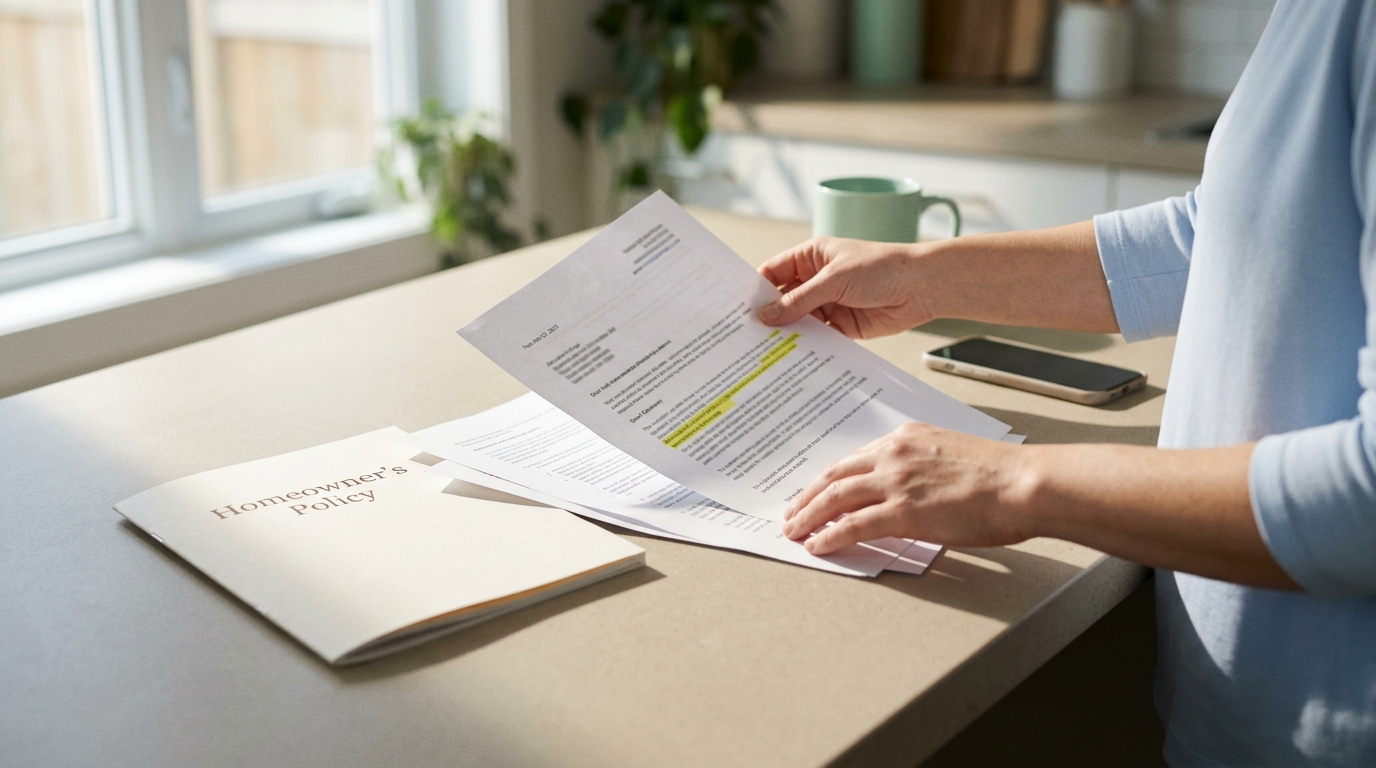
A denied roof insurance claim in Tennessee is not a final answer - it is the beginning of a formal appeals process that, when handled correctly, frequently results in a reversed decision or negotiated settlement. Here is exactly what to do after a denial, and how to avoid the mistakes that cause claims to fail in the first place.
Why Tennessee Roof Claims Get Denied
Insurance carriers deny roof claims for several predictable reasons. Understanding the specific denial reason on your claim letter is the single most important first step, because each reason requires a different response strategy.
- Pre-existing or wear-and-tear exclusion: The insurer argues damage is the result of age or deferred maintenance, not a covered storm event.
- Cosmetic damage classification: The adjuster documented dented or scuffed shingles but determined structural integrity was not compromised.
- Failure to report within the policy's notice window: Many Tennessee homeowners' policies require prompt written notice after a loss event.
- Policy exclusions for specific storm types: Some policies distinguish between wind, hail, and flooding, and may exclude certain perils entirely.
- Insufficient documentation: The adjuster's inspection did not locate or record the full scope of damage.
Pull your denial letter and identify the exact clause the carrier cited. That clause is your roadmap for the appeal.
Step-by-Step: What to Do After a Denial
Step 1 - Request the Full Claims File
Under Tennessee law, you have the right to request a complete copy of your claims file, including the adjuster's field notes, photographs, and the estimate they used to calculate the scope of damage. Submit this request in writing within five business days of receiving your denial letter. Review every line item. Adjusters routinely miss interior decking damage, flashing failures, and damage to ridge caps that a qualified contractor would document.
Step 2 - Hire a GAF Master Elite Roofing Contractor for an Independent Inspection
Before you do anything else on the technical side, get an independent roof inspection from a certified contractor- ideally a GAF Master Elite installer, who represents the top 3% of roofing contractors in North America. A GAF Master Elite contractor carries factory-certified credentials and provides written inspection reports that carry significant weight in insurance disputes. Their documentation of impact patterns, granule loss measurements, and structural findings directly counters a carrier's adjuster narrative.
Request a drone inspection in addition to a physical inspection. Drone imagery produces high-resolution, date-stamped photographic evidence of every slope of your roof, including areas the insurance adjuster may not have accessed. This visual record is difficult for a carrier to dispute.
Step 3 - Cross-Reference Storm Data
Obtain a storm damage report for your specific address from a service such as Verisk Xactware or CoreLogic. These reports use weather station and radar data to document the date, wind speed, and hail size that impacted your property. If a storm event produced hail at or above 1.0 inch in diameter - the threshold most Tennessee carriers use to classify functional damage - that data supports your appeal with hard meteorological evidence.
Step 4 - File a Formal Written Appeal
Most homeowners' insurance policies include an internal appeals process. Submit your appeal in writing via certified mail. Your appeal package should include:
- A written statement disputing each denial reason, citing your policy language directly
- The independent contractor's written inspection report and photographs
- Drone inspection imagery with GPS coordinates and timestamps
- The storm damage report tied to your address and the date of the loss
- A copy of your original claim, your policy declarations page, and the denial letter
Step 5 - Invoke the Appraisal Clause
If your appeal is rejected or the carrier's revised offer remains inadequate, invoke the appraisal clause in your policy. Most standard Tennessee homeowners' policies include this provision. Each party selects an independent appraiser, and the two appraisers agree on a neutral umpire. The umpire's decision on the scope and value of damage is binding. This process frequently produces a significantly higher settlement than the carrier's original offer, particularly when the policyholder's appraiser is a licensed public adjuster or a certified contractor with insurance documentation experience.
Step 6 - File a Complaint with the Tennessee Department of Commerce and Insurance
If the carrier has acted in bad faith - delayed unreasonably, misrepresented policy terms, or refused to investigate the claim thoroughly - file a formal complaint with the Tennessee Department of Commerce and Insurance (TDCI). The TDCI has authority to investigate carrier conduct and can compel a response. This step also creates a documented record that strengthens any subsequent legal action.
What to Say to the Insurance Adjuster: 5 Rules
If you are still in the pre-denial stage or negotiating a reopened claim, the language you use with the adjuster directly affects your outcome. Follow these rules:
- Name the storm event specifically. Say "the hail event on [date]" rather than "the damage to my roof." Connecting damage to a specific covered peril is your claim's foundation.
- Never speculate about age or condition. Do not estimate how old your shingles are or characterize their prior condition. Let the adjuster document what they observe.
- Request the adjuster's scope in writing before signing anything. A verbal offer carries no legal weight, and early settlement offers frequently undervalue the full scope of damage.
- Bring your contractor to the adjuster's inspection. Having a licensed roofing contractor present during the adjuster's site visit ensures damage is identified in real time and reduces the risk of items being excluded from the scope.
- Document everything. Photograph your roof before and after every inspection. Keep a written log of every phone call, including the representative's name, the date, and a summary of what was said.
Denied Claim vs. Underpaid Claim: Key Differences
Situation Best First Action Escalation Path Full denial - no covered damage found Independent contractor inspection + storm data report Formal written appeal → Appraisal clause → TDCI complaint Partial denial - fewer slopes or items covered Contractor's supplemental damage report Supplement claim submission → Appraisal clause Offer accepted but payout insufficient Request itemized estimate comparison Invoke appraisal clause → Public adjuster engagement Claim denied for late filing Review policy notice requirements; document when damage was discovered Legal counsel specializing in Tennessee insurance lawWorking With Middle Tennessee Roofing Contractors in the Claims Process
Experienced roofing contractors in the Nashville, Franklin, Brentwood, Murfreesboro, and Hendersonville markets deal with insurance claims on nearly every residential project following significant storm seasons. A contractor with documented insurance claim experience - particularly one credentialed as a GAF Master Elite installer - understands how to write a scope of work that aligns with the carrier's estimating software (typically Xactimate), which reduces friction in the supplement and appeal process.
Ask your contractor directly: "Have you submitted insurance supplement claims before, and what is your documentation process?" A contractor who photographs every slope, measures hail impact patterns by square foot, and provides a written damage report in Xactimate-compatible line items is a significantly stronger advocate than one who provides a simple written estimate.
One Thing You Should Never Do
Do not accept a carrier's settlement and sign a release before your contractor has completed a full inspection of the decking and underlayment. Hidden damage to the roof deck - rotted sheathing, punctured synthetic underlayment, compromised ice-and-water shield - is only visible after shingles are removed. Signing a release before that inspection forfeits your right to supplement the claim for those items.
How long do I have to appeal a denied roof insurance claim in Tennessee?
Most Tennessee homeowners' insurance policies require you to file a lawsuit within one year of the date of loss, but internal appeal deadlines vary by carrier and are typically 30 to 60 days from the denial letter date. Read your denial letter carefully for the specific deadline stated, and submit your appeal package via certified mail before that date.
Will my insurance rates go up if I dispute a denied claim?
Filing an appeal on an existing claim is not the same as filing a new claim. Tennessee insurers cannot surcharge your premium solely for pursuing an appeal on a claim you already filed. However, carrier practices vary, and if a reopened claim results in a paid loss, it may be counted in future underwriting decisions. Consult your agent about your specific policy terms before escalating.
What is a public adjuster, and should I hire one for my Tennessee roof claim?
A public adjuster is a licensed claims professional who represents the policyholder - not the insurance company - in documenting, valuing, and negotiating an insurance claim. In Middle Tennessee, public adjusters typically charge 10% to 15% of the final settlement. They are most cost-effective on large or complex claims where the carrier's offer is significantly below the true replacement cost. For smaller claims, a contractor-led supplement process may be sufficient.
What does a drone roof inspection show that a standard inspection misses?
Drone inspections capture high-resolution imagery of every slope, valley, hip, and ridge of a roof from angles a ladder inspection cannot safely access. They document granule displacement patterns, impact craters from hail, flashing separation, and ridge cap damage with GPS-tagged, timestamped photographs. This evidence is particularly valuable in insurance disputes because it eliminates the carrier's ability to claim certain areas were undamaged or inaccessible during the original adjuster visit.
Can a Tennessee contractor help me file a roof insurance claim, or do I need a lawyer?
A licensed roofing contractor can assist with documentation, scope writing, and supplement submissions throughout the claims process - no attorney is required for most claims. Legal counsel becomes appropriate when a carrier has demonstrably acted in bad faith, when a TDCI complaint does not produce a resolution, or when the disputed claim value is large enough to justify litigation. Start with an independent contractor inspection and the formal appeal process before engaging an attorney.
