From the blog
Preventing Roof Leaks: A Seasonal Maintenance Guide for Nashville Homeowners
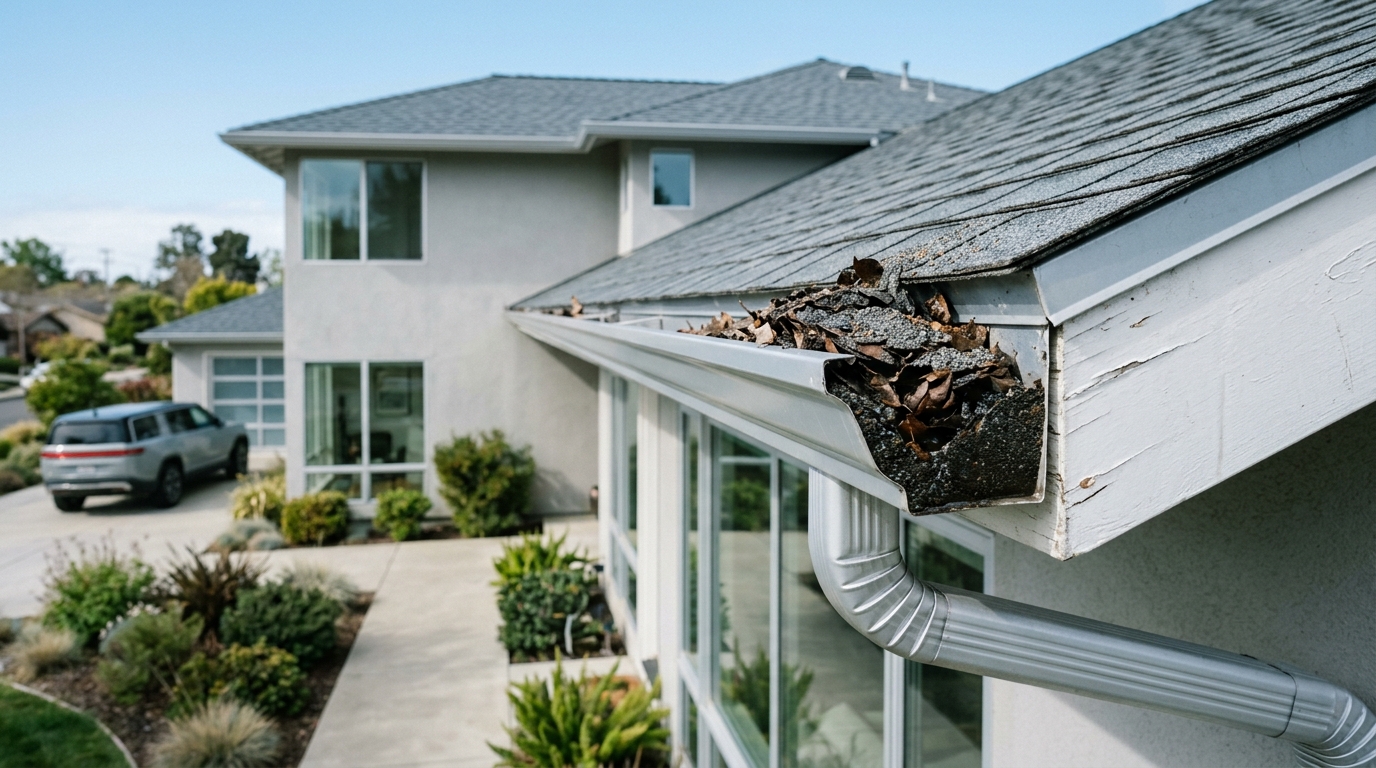
Consistent seasonal maintenance is the single most effective way to prevent roof leaks in Nashville. Homeowners who inspect and service their roofs twice a year extend shingle lifespan by 5–10 years and avoid the average $4,500–$12,000 emergency repair bill that follows undetected water intrusion.
Why Nashville's Climate Makes Roof Maintenance Non-Negotiable
Middle Tennessee sits in a climate overlap zone that delivers ice storms in January, severe thunderstorms and hail in April, triple-digit heat indexes in July, and heavy leaf fall in October. Each season introduces a specific threat to your roofing system. A GAF-certified contractor in the Nashville market sees the same pattern every year: homeowners who skip one or two seasonal checkups end up with rotted decking, compromised flashing, and interior water damage that far exceeds the cost of prevention.
Understanding how long a roof lasts in Tennessee gives you a useful benchmark. Asphalt architectural shingles installed correctly in Middle TN typically last 22–28 years. That number drops to 15–18 years when routine maintenance is neglected, because UV degradation, moisture infiltration, and storm debris compound one another every season.
Seasonal Roof Maintenance Schedule for Nashville Homeowners
Spring: Post-Winter Damage Assessment
Spring is your first inspection window after winter storms. Walk the perimeter of your home and look for these indicators before you ever get on a ladder:
- Shingle granules accumulating in gutters or around downspout exits
- Visible shingle cracking, curling, or missing tabs
- Fascia board staining or soft spots along the roofline
- Daylight visible in the attic when you inspect from inside
- Ice dam residue, including rust streaks from flashing
Spring hail is a major threat in the Nashville corridor. A single storm in April 2024 produced golf-ball-sized hail across Williamson County, causing widespread hidden bruising on shingles that standard visual inspections missed. A drone roof inspection captures impact bruising and granule loss with precision that a ground-level walk-around cannot match, and it generates a photo report you can submit directly to your insurance carrier.
Summer: Heat and UV Protection
Tennessee summers accelerate shingle oxidation. Asphalt shingles lose flexibility as oils bake out of the mat, which causes cracking and makes them vulnerable to impact damage in fall storms. Summer maintenance priorities include:
- Confirming attic ventilation is unobstructed (blocked soffits raise attic temps above 150°F, accelerating shingle degradation from below)
- Trimming overhanging tree limbs to at least 6 feet from the roof surface
- Checking pipe boot flashings around plumbing vents, which are the most common single-point leak source on Nashville homes
- Inspecting skylights and chimney cricket flashing for sealant cracking
Fall: Pre-Storm Prep and Gutter Maintenance
Fall is the most consequential maintenance window before severe winter weather arrives. Clogged gutters are responsible for more preventable roof damage in Middle Tennessee than any other single factor. When gutters overflow, water backs up under starter shingles and saturates the fascia, leading to rot that can spread into the decking within one season.
- Clean gutters and downspouts completely after peak leaf fall, typically mid-November in the Nashville area
- Check gutter pitch: water should drain at a minimum slope of 1/4 inch per 10 feet toward the downspout
- Inspect flashing at all roof penetrations and re-seal any gaps with roofing-grade sealant
- Verify that ridge vents are clear of debris to maintain proper airflow through winter
- Schedule a professional inspection before December if the roof is more than 15 years old
Seamless aluminum gutters, sized correctly at 5 inches for standard Nashville rooflines or 6 inches for high-slope or large-square-footage roofs, eliminate the seam failures that standard sectional gutters develop within 5–7 years.
Winter: Monitoring and Ice Dam Prevention
Nashville homeowners underestimate winter roof risk because snow accumulation rarely reaches dangerous weight thresholds. The real threat is freeze-thaw cycling. When daytime temps rise above freezing and then drop overnight, water that has entered even minor cracking or flashing gaps expands, widening those gaps significantly.
- Inspect attic insulation levels: R-38 to R-60 is the recommended range for Middle TN to prevent warm air from rising and melting snow at the roof deck
- After ice storms, watch for icicles forming at the eave edge, a sign of ice damming
- Never use a metal shovel or ice pick on shingles; a plastic roof rake from the ground is the only safe removal tool for homeowners
Common Roof Problems on Nashville Homes
Knowing the most frequent failure points helps you prioritize inspections. The following problems account for the majority of roofing service calls in the Franklin, Brentwood, Murfreesboro, and Hendersonville markets.
| Problem | Common Cause | Repair vs. Replace Threshold |
|---|---|---|
| Missing or cracked shingles | Storm wind, age, improper installation | Repair if under 10% of roof surface affected |
| Granule loss | Hail impact, UV degradation, age | Widespread loss signals replacement within 2–3 years |
| Flashing failure | Sealant shrinkage, rust, improper installation | Repair if isolated; replace if corrosion is systemic |
| Sagging decking | Long-term moisture infiltration, rot | Always requires full replacement assessment |
| Pipe boot cracks | UV degradation of rubber boots | Repair: boot replacement is a standard service call |
| Gutter overflow damage | Clogged gutters, improper pitch | Repair fascia and address gutter system simultaneously |
Roof Inspection Checklist: What Professionals Look For
A thorough professional inspection covers the following 12 checkpoints. Use this list to evaluate any inspection report you receive:
- Shingle condition across all roof planes (granule coverage, cracking, curling, missing tabs)
- Ridge cap shingles and ridge vent integrity
- Flashing at all roof-to-wall intersections
- Chimney flashing, counter-flashing, and cricket condition
- Skylight curb and sealant condition
- Pipe boot flashings at every plumbing penetration
- Gutter attachment, pitch, and debris level
- Fascia and soffit condition
- Attic ventilation: soffit intake and ridge or box vent exhaust
- Attic insulation coverage and moisture indicators
- Decking condition visible from attic (soft spots, dark staining, daylight)
- Drone or close-range photo documentation of impact damage
How to Tell If You Need a New Roof vs. a Repair
The repair-versus-replace decision comes down to three factors: age, scope of damage, and whether the underlying decking is compromised. Use these benchmarks:
- Under 15 years old with isolated damage: repair is almost always the right call.
- 15–20 years old with storm damage: request a full inspection before deciding; an insurance claim may justify a full replacement.
- Over 20 years old with any significant damage: replacement delivers better long-term value because new shingles installed over degraded decking fail prematurely.
- Sagging, soft decking, or interior water staining: these are replacement indicators regardless of age.
- Multiple repairs in the last 3 years: recurring repairs on an aging roof rarely outperform the economics of a full replacement.
GAF Master Elite installers, who represent fewer than 3% of roofing contractors in the United States, are authorized to offer the Golden Pledge Limited Warranty, which covers both materials and workmanship for 25 years. Homeowners in Brentwood and Franklin who are near the end of a roof's natural lifespan should factor warranty coverage into the repair-versus-replace calculation.
Roof Maintenance FAQ for Nashville Homeowners
How long does a roof last in Tennessee?
Architectural asphalt shingles properly installed in Middle Tennessee last 22–28 years with regular maintenance. Neglected roofs in the same climate often fail at 15–18 years due to compounding UV, moisture, and storm damage. Premium options like GAF Timberline HDZ shingles carry a Lifetime Limited Warranty against manufacturing defects.
How often should I have my roof inspected in the Nashville area?
Twice per year is the professional standard: once in spring after winter storm season and once in fall before winter weather returns. After any severe hail or wind event, schedule an additional inspection within 30 days, because storm damage has a filing deadline under most Tennessee homeowner insurance policies.
What are the most common signs I need a roof repair?
The five most reliable indicators are granules collecting in your gutters, shingles that are curling or cracking, dark water stains on attic decking or interior ceilings, cracked or missing pipe boot flashings, and daylight visible through the attic roof boards. Any one of these signs warrants a professional inspection within two weeks.
Can I prevent roof leaks without getting on the roof myself?
Yes. The majority of preventive maintenance tasks are ground-level or attic-level: cleaning gutters, checking attic insulation and ventilation, inspecting interior ceilings for staining after rain, and trimming overhanging tree limbs. Reserve roof-surface work for licensed roofing contractors. Foot traffic from unqualified inspections damages shingles and voids manufacturer warranties.
Does homeowner insurance in Tennessee cover roof damage from storms?
Most standard homeowner policies in Tennessee cover sudden storm damage including hail, wind, and fallen trees. Policies typically do not cover damage attributed to age or lack of maintenance. Documenting your roof's condition with dated inspection reports and drone photos creates a clear record that separates storm-caused damage from wear, which strengthens your claim significantly.
