From the blog
The Ultimate Drone Roof Inspection Checklist for Middle TN Homes
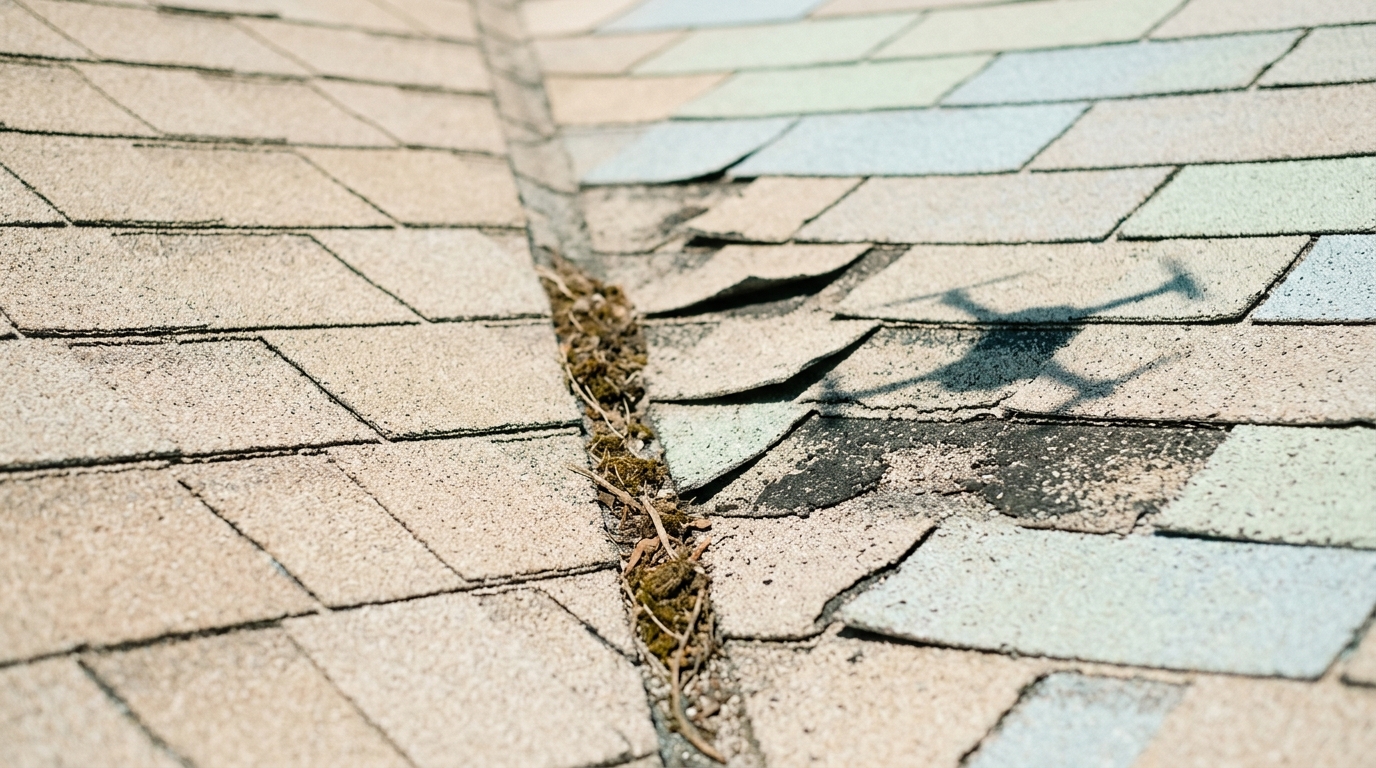
A drone roof inspection identifies damage, aging, and structural issues across all roof surfaces without a single ladder touching your home. For Middle Tennessee homeowners, this technology delivers a complete visual record of your roof's condition in 30–60 minutes, giving you documented evidence for insurance claims, repair planning, or pre-sale disclosures.
Why Drone Inspections Are the Standard in Middle Tennessee
Traditional walk-on inspections carry real risk: foot traffic can crack brittle shingles, and steep-pitch roofs common in Franklin and Brentwood neighborhoods make manual access genuinely dangerous. Drone inspections capture 4K imagery and thermal readings from every angle, including valleys, ridge lines, and low-slope sections that a walking inspector might skip entirely.
Certified inspectors in Middle TN typically deliver a timestamped photo report within 24 hours. That report becomes your baseline document for tracking deterioration over time and for negotiating with insurance adjusters after a hail or wind event.
The Complete Drone Roof Inspection Checklist
Use this checklist to understand exactly what a qualified drone inspection covers and what each finding means for your home.
1. Shingle Condition
- Granule loss: Bare patches on asphalt shingles expose the fiberglass mat to UV degradation. Heavy granule loss typically signals a roof within 3–5 years of failure.
- Curling and cupping: Shingle edges that lift or curl inward indicate heat damage or improper ventilation, both common in Middle Tennessee's humid summers.
- Cracking and brittleness: Visible fractures across shingle faces appear when asphalt dries out with age.
- Missing shingles: Even one missing shingle creates a direct water-intrusion pathway. Wind events in the Nashville corridor regularly dislodge shingles at roof edges and ridges.
2. Flashing Integrity
- Step flashing at walls and dormers: Lifted or corroded metal flashing along vertical surfaces is a leading cause of interior water damage in Murfreesboro and Hendersonville homes.
- Chimney flashing: Drones capture the full perimeter of chimney bases, where failing sealant and separated counter-flashing go undetected in standard inspections.
- Pipe boot seals: Neoprene pipe boots crack after 10–12 years of Tennessee heat cycling. Drone cameras identify cracked boots before they become active leaks.
3. Ridge and Hip Lines
- Ridge caps take the highest wind and UV exposure on any roof. Inspectors look for lifted, cracked, or absent ridge cap shingles along every peak.
- Hip shingles along diagonal roof edges are a frequent point of wind peeling. Thermal imaging can reveal moisture trapped beneath intact-looking hip sections.
4. Valleys
- Open valleys collect debris and channel large volumes of water. Drone imagery shows whether valley metal is intact, properly lapped, and free of standing debris or rust.
- Closed-cut and woven valleys are inspected for shingle separation and granule bridging that blocks water flow.
5. Gutters and Drainage
- Granule accumulation in gutters visible from drone altitude confirms active shingle wear even when roof surfaces look acceptable at street level.
- Sagging, separated, or clogged gutters direct water against fascia boards and into soffit cavities, a common source of rot in older Nashville-area homes.
6. Soffit and Fascia
- Stained or warped soffit panels indicate inadequate attic ventilation or longstanding gutter overflow.
- Fascia rot at gutter attachment points compromises the entire gutter system's structural hold.
7. Ventilation Components
- Ridge vents, box vents, and turbine vents are inspected for physical damage, blockage, and proper spacing. Poor ventilation accelerates shingle aging and is the number-one cause of premature roof failure in Tennessee.
8. Structural Indicators
- Visible sagging or uneven roof planes suggest decking rot or rafter failure beneath the surface. Drone imagery flags these depressions clearly against a flat reference plane.
- Lifted or buckled sections along the deck indicate moisture swelling of OSB or plywood substrate.
Roof Repair vs. Replacement: Reading Your Inspection Report
One of the most valuable outputs of a drone inspection is a clear answer to the repair-vs.-replacement question. Here is how findings typically map to the right decision.
| Finding | Likely Action | Typical Cost Range (Middle TN) |
|---|---|---|
| 1–5 missing shingles, no decking damage | Spot repair | $250–$600 |
| Cracked pipe boots, isolated flashing failure | Targeted repair | $150–$450 per penetration |
| 25–30% shingle surface with granule loss | Plan replacement within 2–3 years | Full replacement $8,000–$18,000+ |
| Widespread curling, multiple missing sections, decking soft spots | Immediate replacement | Full replacement $8,000–$18,000+ |
| Storm hail damage confirmed (bruising pattern) | Insurance claim, then replacement | Covered less deductible |
Cost figures reflect general market conditions in the Nashville metro area and will vary based on roof size, pitch, and material selection. Get a written estimate before authorizing any work.
How Long Does a Roof Last in Tennessee?
Tennessee's climate shortens the theoretical lifespan of most roofing materials. High summer heat, freeze-thaw cycles in winter, and severe storm seasons combine to accelerate wear beyond what manufacturers project for temperate climates.
- 3-tab asphalt shingles: 15–20 years in Middle TN conditions
- Architectural (dimensional) shingles: 22–28 years with proper ventilation
- GAF Timberline HDZ and similar premium laminates: 28–35 years with certified installation and ventilation compliance
- Metal roofing (standing seam): 40–60 years, highly resistant to hail and wind
- Wood shake: 18–25 years with annual treatment; fire risk has made this uncommon in newer Middle TN builds
A roof installed by a GAF Master Elite contractor benefits from factory-backed workmanship coverage that independent installers cannot offer, which materially affects long-term value in a resale market like Brentwood or Franklin.
When to Schedule a Drone Roof Inspection
Schedule an inspection in four specific situations: after any storm producing hail larger than 1 inch or sustained winds above 60 mph; when your roof is 15 or more years old; before listing your home for sale; and before filing or contesting an insurance claim. In Middle Tennessee, spring and fall inspections align with the two primary severe weather windows and give you the most actionable lead time before the next storm season.
Roof Maintenance Tips That Extend Roof Life Between Inspections
- Clear gutters every fall and after heavy leaf drop to prevent water backing up under shingle edges.
- Trim tree limbs to maintain a minimum 6-foot clearance from roof surfaces. Limb abrasion removes granules faster than normal weathering.
- Inspect attic insulation levels annually. Inadequate insulation causes ice damming during Tennessee cold snaps and shortens shingle life through heat buildup in summer.
- Address any interior ceiling stains within 72 hours. Active leaks cause exponentially more decking damage with each rain event.
- Schedule a professional inspection every 3 years even if no visible damage is apparent. Many insurance carriers in Tennessee now require documented inspection history to honor full replacement-cost claims.
Drone Roof Inspection FAQ for Middle Tennessee Homeowners
How much does a drone roof inspection cost in Nashville or Murfreesboro?
Most drone roof inspections in the Nashville metro range from $150 to $350, depending on roof size and whether a thermal scan is included. Many roofing contractors in Middle TN offer a free drone inspection when you are considering a repair or replacement estimate, so ask before scheduling a standalone paid inspection.
Can a drone inspection find leaks that haven't appeared inside yet?
Yes. Thermal imaging drones detect moisture trapped in decking or insulation before it migrates to ceilings. Wet substrate reads as a temperature differential of 3–8 degrees Fahrenheit compared to dry areas, making pre-symptom detection reliable when the inspection is conducted in the correct lighting and temperature window, typically two hours after sunset.
Will a drone inspection help my insurance claim after a hail storm?
A timestamped drone report with GPS-tagged imagery is direct documentation of storm damage. Tennessee homeowners who present a third-party drone inspection report at the initial adjuster meeting consistently receive more thorough claim reviews than those relying on adjuster-only assessments. The report establishes a pre-repair damage baseline that protects you if coverage is disputed.
How do I know if I need a repair or a full roof replacement?
The 25% rule applies in most cases: if more than 25% of your roof surface shows active damage or wear, a full replacement is more cost-effective than repeated repairs over the next 3–5 years. Your drone inspection report will identify the percentage of affected area, giving you a documented basis for that decision rather than a contractor's verbal estimate alone.
How long does a drone roof inspection take?
The flight portion of a standard residential drone inspection takes 20–40 minutes for a typical Middle Tennessee home up to 3,000 square feet. Report generation, including annotated photos and a written findings summary, adds 12–24 hours. You receive a shareable digital report, not a verbal walkthrough, which you can forward directly to your insurance carrier or real estate agent.
