From the blog
What an Insurance Adjuster Looks For: Preparing for Your Roof Inspection
What an Insurance Adjuster Looks For: Preparing for Your Roof Inspection in Middle Tennessee
When a storm damages your roof, your insurance adjuster's inspection report determines how much money you receive - or whether you receive anything at all. Understanding exactly what adjusters evaluate, what documentation strengthens your claim, and what mistakes sink settlements gives Tennessee homeowners a decisive advantage before that adjuster ever sets foot on your property.
How to File a Roof Insurance Claim: The First 48 Hours
The roofing insurance claim process begins the moment storm damage occurs - not days later. Delays give insurers grounds to question whether damage is storm-related or the result of long-term neglect, which is the single most common reason adjusters deny or reduce payouts in Tennessee.
Take these steps within 48 hours of a storm event:
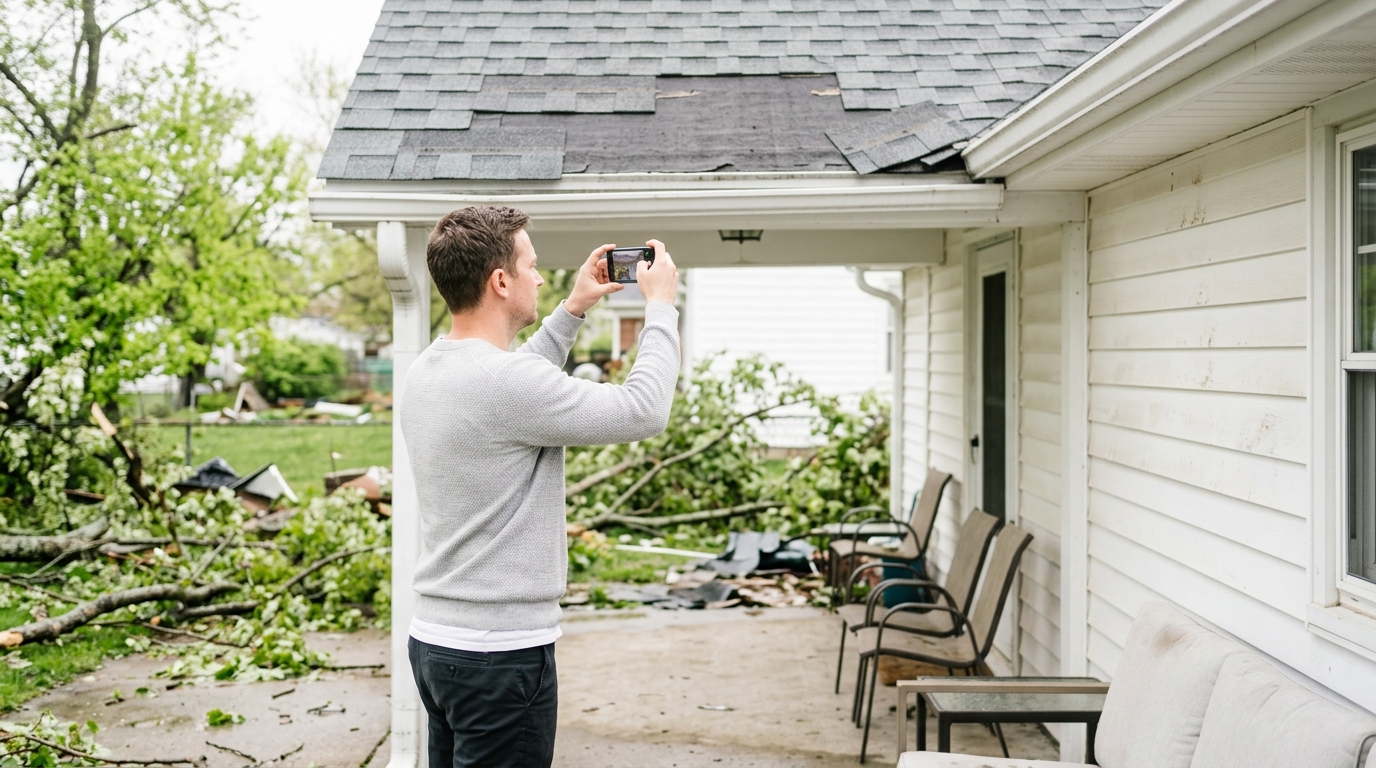
- Document everything immediately. Photograph your roof, gutters, siding, and yard from multiple angles. Timestamp matters - use your phone's native camera so metadata is embedded automatically.
- Call a licensed local roofing contractor before you call your insurer. A reputable Middle Tennessee roofer can conduct a damage assessment and provide a written scope of loss, which becomes your baseline for the adjuster conversation.
- Notify your insurance carrier. Most policies require "prompt notice" of a loss. File your claim through your insurer's app, online portal, or by phone, and request a claim number in writing.
- Apply temporary protective measures. If the roof is compromised, place tarps over exposed areas. Save all receipts - most policies reimburse reasonable emergency mitigation costs.
- Pull your policy documents. Identify your dwelling coverage limit, deductible, and whether you carry Replacement Cost Value (RCV) or Actual Cash Value (ACV) coverage. This distinction changes your settlement amount by thousands of dollars.
RCV vs. ACV: The Coverage Distinction That Changes Your Payout
Factor Replacement Cost Value (RCV) Actual Cash Value (ACV) What it pays Full cost to replace roof at today's material and labor rates Replacement cost minus depreciation Depreciation withheld Held initially, released after repairs are completed Permanently withheld Out-of-pocket exposure Deductible only (after recoverable depreciation is released) Deductible plus all withheld depreciation Best for homeowners who Want maximum protection and full repair funding Accept lower premiums in exchange for higher riskIf your policy is ACV and your roof is 15 years old, an adjuster may apply 50% or more in depreciation, leaving you responsible for a substantial gap between the insurance payout and your contractor's actual invoice.
What an Insurance Adjuster Examines During a Roof Inspection
Adjusters are trained to distinguish covered storm damage from pre-existing wear. Knowing their checklist helps you present your property accurately and ensures nothing is missed in your favor.
Shingle Damage Indicators Adjusters Prioritize
- Hail spatter patterns: Hail leaves bruising or granule displacement in a random, non-directional pattern. Adjusters look for this pattern because it is inconsistent with normal wear, which tends to follow UV exposure lines and foot traffic paths.
- Wind damage signatures: Lifted, creased, or missing shingles typically indicate wind speeds above the shingle's rated threshold. Tennessee storms regularly produce gusts exceeding 60 mph, well above the 60 mph rating of standard 3-tab shingles.
- Granule loss concentration: Significant granule accumulation in gutters following a hail event is documented evidence of impact damage - not age-related degradation.
- Flashing, ridge cap, and valley conditions: These are high-priority areas because damage here leads directly to interior water intrusion, which escalates claims.
- Soft metal evidence: Dents in gutters, downspouts, AC condenser fins, and metal vents confirm hail size and intensity on the date of the storm. Adjusters cross-reference this with weather service data for your specific zip code.
What to Say to an Insurance Adjuster for a Roof Claim
Your communication with the adjuster is part of the record. Precision matters more than length.
Do say:
- "The storm on [specific date] caused the damage I'm reporting. Here is the weather event documentation from the National Weather Service for our zip code."
- "I have a written damage assessment from a licensed Tennessee roofing contractor. I'd like the adjuster to review it alongside their own inspection."
- "I'd like to be present during the inspection and have my contractor present as well."
Do not say:
- Anything speculative about when damage occurred if you are not certain - adjusters flag inconsistencies.
- "The roof is old and has had problems" - this gives the adjuster grounds to classify damage as maintenance-related rather than storm-related.
- Agree verbally to a settlement figure at the inspection - all agreements should be in writing after full review.
One of the most effective strategies Middle Tennessee homeowners use is having a GAF Master Elite contractor present during the adjuster walk. These contractors understand how damage is documented and can point out items an adjuster may overlook, such as damaged pipe boot flashings or compromised ridge vents that are not visible from street level.
Why Roof Claims Are Denied in Tennessee - and How to Respond
A denied roof claim in Tennessee most commonly stems from four causes:
- Damage classified as "wear and tear": Insurers distinguish between storm events and gradual deterioration. Counter this with dated storm data and a contractor's written assessment that specifically attributes damage to the named weather event.
- Lack of maintenance documentation: Policies require homeowners to maintain their roof. If prior damage was left unrepaired, insurers argue the current damage is an extension of neglect. Annual inspections create a documented maintenance record.
- Filing delay: Tennessee policies typically require prompt notice. Claims filed weeks after a storm without documented mitigation efforts are vulnerable to denial.
- Policy exclusions: Some policies exclude cosmetic damage, certain hail sizes, or specific shingle types. Read your exclusions section carefully before assuming full coverage.
If your claim is denied, you have the right to request a written explanation, hire a public adjuster, or invoke your policy's appraisal process - a binding dispute resolution mechanism available in most Tennessee homeowner policies. Consult a licensed public adjuster or an attorney specializing in insurance disputes before accepting a denial as final.
How Drone Roof Inspections Strengthen Your Claim
Drone inspections provide high-resolution imagery of every section of your roof without requiring an adjuster to physically access the surface. For steep-pitch roofs common in Franklin, Brentwood, and Hendersonville neighborhoods, drone footage captures damage in areas that are difficult or unsafe to reach on foot. This documentation is timestamped and geotagged, creating an indisputable record that complements adjuster reports and supports supplement requests when the initial settlement undervalues the damage.
The Role of a GAF Master Elite Contractor in the Claims Process
GAF Master Elite status is held by fewer than 2% of roofing contractors in the United States. In Tennessee, this designation means the contractor has passed GAF's installation standards and carries verified insurance, giving insurers confidence in the scope of work being submitted. More practically for homeowners, a Master Elite contractor can issue a Golden Pledge® warranty - the strongest workmanship warranty GAF offers - which covers labor for up to 25 years and provides insurer-recognized documentation of installation quality.
When an adjuster receives a repair estimate from a GAF Master Elite contractor, it carries credibility that accelerates settlement reviews and reduces the likelihood of line-item disputes.
Preparing Your Property Before the Adjuster Arrives
- Clear gutters of debris so the adjuster can see granule accumulation clearly.
- Photograph the interior of your attic - staining on rafters or decking confirms active water intrusion linked to the storm.
- Compile your contractor's written estimate, storm date documentation, and any prior inspection reports showing your roof's pre-storm condition.
- Do not perform permanent repairs before the adjuster inspects the property - insurers can deny claims when damage has been altered before documentation.
How To File A Roof Insurance Claim FAQ
How long does a roof insurance claim take to process in Tennessee?
Tennessee law requires insurers to acknowledge a claim within 10 working days and to accept or deny it within 15 working days of receiving all required documentation. Complex claims involving supplements or disputes can extend the timeline to 30–60 days, particularly after major regional storm events when adjusters are managing high claim volumes.
Can I choose my own roofing contractor, or does the insurance company assign one?
You have the right to select your own licensed Tennessee roofing contractor. Insurance companies cannot legally require you to use a preferred vendor list as a condition of coverage. Your contractor submits a scope of loss, and the insurer's adjuster reviews it against their estimate - any difference becomes the basis for negotiation or the appraisal process.
What happens if the adjuster's estimate is lower than my contractor's estimate?
This is common and does not mean you must accept the insurer's number. Your contractor can submit a supplement - a revised scope with supporting documentation - that details line items the adjuster missed or underpriced. If the gap cannot be resolved, your policy's appraisal clause allows both parties to hire independent appraisers whose findings are then arbitrated by an agreed-upon umpire.
What is a denied roof claim in Tennessee, and what are my options?
A denied claim means your insurer has determined the damage is not covered under your policy terms. You must receive the denial in writing with a specific reason. Your options include: submitting additional evidence to reverse the denial, hiring a licensed public adjuster to reopen the claim, invoking the appraisal clause, filing a complaint with the Tennessee Department of Commerce and Insurance, or pursuing legal action if bad faith practices are involved.
Does filing a roof insurance claim raise my homeowner's insurance premium in Tennessee?
A single weather-related claim - classified as a non-fault loss - does not automatically trigger a rate increase in Tennessee, though insurer practices vary. Multiple claims within a three-year window increase the likelihood of a premium adjustment or non-renewal at the policy's anniversary date. Your independent insurance agent can advise whether a specific claim amount justifies filing versus paying out of pocket relative to your deductible and premium history.
