From the blog
How to Pay for a New Roof in Tennessee: 5 Financing Options for Homeowners
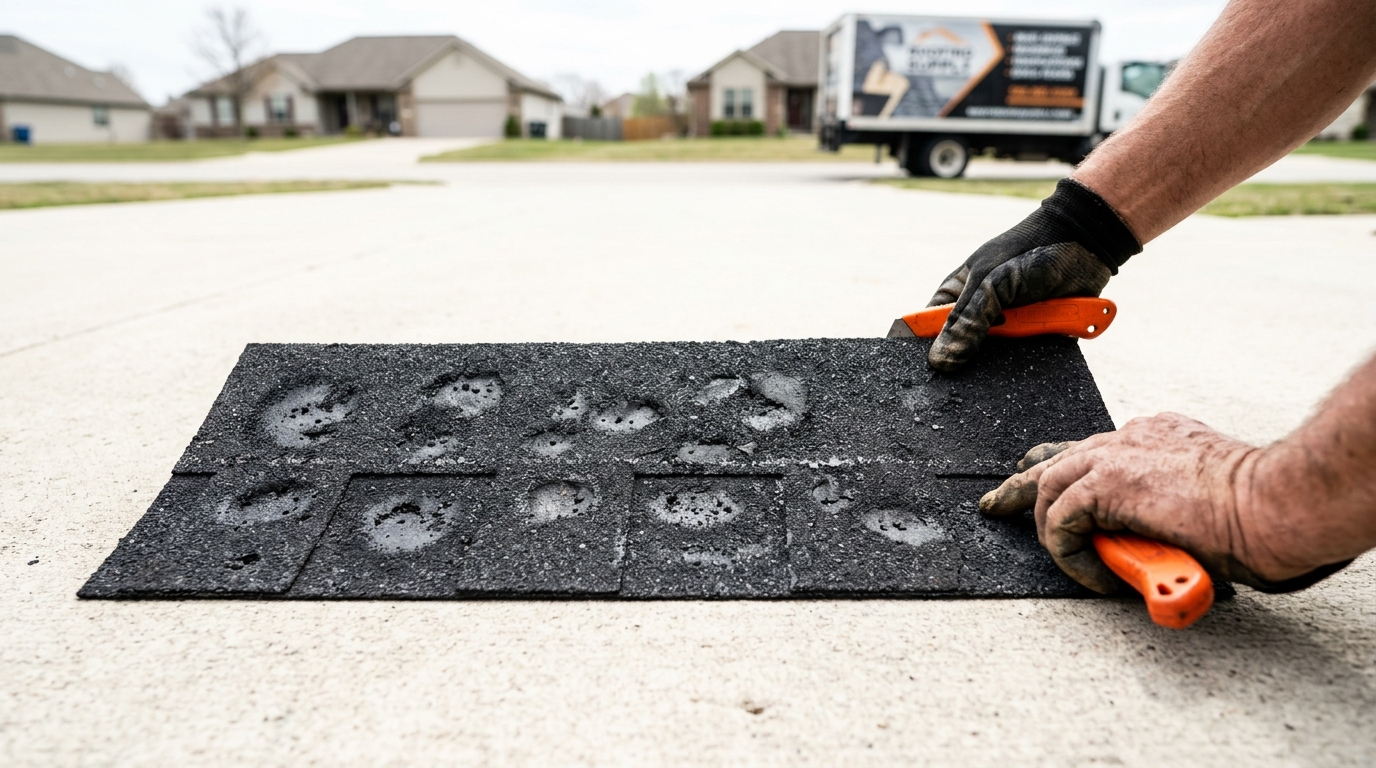
Tennessee homeowners have five primary ways to pay for a new roof: homeowner's insurance proceeds, contractor financing programs, home equity loans or HELOCs, personal loans, and government-backed assistance programs. The right choice depends on whether storm damage is involved, your available equity, and your credit profile.
Why Roof Financing Matters in Middle Tennessee
A full roof replacement in the Nashville metro area typically runs between $8,500 and $22,000 in 2026, depending on square footage, shingle type, and labor complexity. That figure puts a new roof well beyond most households' ready cash reserves. Knowing your financing options before you need them means you make a strategic decision rather than a desperate one.
The five options below are ranked from lowest out-of-pocket cost to highest, so you can work through them in order and stop at the one that fits your situation.
Option 1: Homeowner's Insurance Proceeds
If a storm, hail event, or falling tree caused your roof damage, your homeowner's insurance policy is the first place to look. Middle Tennessee sees severe hail and wind events every year, and most standard HO-3 policies cover sudden storm damage to the roof structure and shingles.
Here is what the insurance claim process looks like in practice:
- Document the damage immediately. Photograph every damaged area, including gutters, flashing, and fascia boards, before any temporary repairs are made.
- File a claim within your policy's reporting window. Most carriers require notice within 30–60 days of the damage event.
- Request a drone or in-person adjuster inspection. A drone roof inspection produces a high-resolution damage report that supports your claim with precision measurements and geo-tagged imagery.
- Review the Actual Cash Value (ACV) vs. Replacement Cost Value (RCV) settlement. ACV policies deduct depreciation; RCV policies pay the full replacement cost once the work is complete. Know which you have before signing anything.
- Work with a GAF Master Elite contractor. Insurance carriers recognize GAF Master Elite installers as credentialed professionals, which often smooths the supplement process when hidden damage is discovered mid-project.
Your out-of-pocket cost under an insurance claim is limited to your deductible, commonly $1,000–$2,500 for wind and hail in Tennessee. That makes insurance the lowest-cost path when damage qualifies.
Option 2: Contractor Financing Programs
Many roofing contractors in the Nashville, Franklin, and Murfreesboro markets partner with third-party lenders to offer direct financing at the point of sale. These programs let you approve a loan during the estimate appointment and roll the cost into a fixed monthly payment.
Common contractor financing structures in 2026 include:
- 0% interest promotional periods of 12–18 months for qualified borrowers, after which a standard APR applies (often 17%–26%)
- Fixed-rate installment loans at rates between 7.99% and 19.99% APR, paid over 24–120 months
- Deferred payment plans that begin 90 days after project completion
Contractor financing is fast. Approvals typically arrive within minutes, and funds are disbursed directly to the contractor. The tradeoff is that interest rates run higher than home equity products, and the promotional 0% offers carry significant deferred interest penalties if the balance is not paid in full before the promotional period ends.
Option 3: Home Equity Loan or HELOC
If you have built meaningful equity in your Middle Tennessee home, a home equity loan or home equity line of credit (HELOC) offers some of the lowest available interest rates for roof financing. Because the loan is secured by your property, lenders take on less risk and pass that savings to the borrower.
Home Equity Loan vs. HELOC: Key Differences
| Feature | Home Equity Loan | HELOC |
|---|---|---|
| Disbursement | Lump sum at closing | Draw as needed up to credit limit |
| Interest rate | Fixed | Variable (tied to prime rate) |
| Typical APR range (2026) | 7.0%–10.5% | 7.5%–11.0% |
| Repayment term | 5–30 years | Draw period 5–10 years, then repayment 10–20 years |
| Closing costs | Typically 2%–5% of loan amount | Often lower or waived by lender |
| Best for | One-time, defined project cost | Phased work or uncertain final cost |
Interest paid on home equity products used for home improvements may be tax-deductible under current IRS rules. Consult a tax professional to confirm eligibility for your specific situation.
Option 4: Personal Loans
A personal (unsecured) loan requires no collateral, which makes it accessible to homeowners who have limited equity or are in the early years of their mortgage. Online lenders, credit unions, and banks all offer personal loan products in the $5,000–$50,000 range suitable for roof replacement costs.
Rates vary widely based on credit score:
- 760+ credit score: 7.5%–12% APR
- 680–759 credit score: 13%–19% APR
- 580–679 credit score: 20%–29% APR
- Below 580: Limited options; consider credit unions or co-signers
Personal loans close faster than home equity products, often within 1–3 business days. The faster speed comes at a cost: because the loan is unsecured, APRs are higher than equity-backed alternatives. Still, for homeowners who need a roof replaced quickly after storm season and do not want to tap home equity, a personal loan is a practical middle path.
Option 5: Government-Backed Assistance and Grants
Several programs exist specifically to help Tennessee homeowners with limited income cover roof replacement costs. These are not widely advertised, but they are real and funded.
- USDA Rural Repair and Rehabilitation Loans and Grants (Section 504): Available in eligible rural areas of Middle Tennessee, this program offers loans up to $40,000 at 1% fixed interest and grants up to $10,000 for homeowners aged 62 and older who cannot repay a loan. Many communities outside the Nashville urban core qualify.
- Tennessee Housing Development Agency (THDA) programs: THDA periodically funds home repair programs through community development block grants distributed to counties and municipalities across Middle Tennessee. Contact your county's community development office to check current availability.
- FEMA Individuals and Households Program (IHP): After a federally declared disaster, FEMA's IHP provides grants for essential home repairs. Middle Tennessee qualifies periodically following major storm events. If your county has received a recent disaster declaration, check eligibility at disasterassistance.gov.
- Nonprofit weatherization programs: Organizations such as CAP agencies (Community Action of Middle Tennessee) offer weatherization assistance that sometimes covers roof repair as part of a broader energy efficiency package.
Government programs involve more paperwork and longer processing times than contractor financing, but they can eliminate repayment obligations entirely for qualifying homeowners.
Matching the Right Option to Your Situation
Use this quick decision framework to narrow your choices:
- Storm or hail damage involved? Start with an insurance claim before exploring any other option.
- Own your home with 20%+ equity and good credit? A home equity loan offers the lowest long-term cost.
- Need funds within 48 hours? Contractor financing or a personal loan closes fastest.
- Income-limited or rural homeowner? Research USDA Section 504 and THDA before taking on debt.
- Carrying high existing debt? Avoid deferred-interest contractor promotions; the back-loaded APR compounds quickly.
Roof Financing Tennessee FAQ
Can I get a new roof with no money down in Tennessee?
Yes. Homeowner's insurance covers qualified storm damage beyond your deductible at no upfront cost. Many contractor financing programs also offer $0 down payment options for approved borrowers, with monthly payments starting 30–90 days after installation.
What credit score do I need for roof replacement financing?
Most contractor financing partners approve borrowers with scores above 600, though rates improve significantly at 680 and above. USDA Section 504 loans use income eligibility rather than credit score as the primary qualification factor, making them accessible to homeowners with limited credit history.
How long does insurance take to pay for a roof in Tennessee?
After a claim is filed and an adjuster inspection is completed, Tennessee insurers are generally required to acknowledge a claim within 10 days and make a payment decision within 15 business days under state insurance regulations. Complex claims involving supplemental damage can extend that timeline by 30–60 days.
Is roof financing interest tax-deductible in Tennessee?
Interest on home equity loans and HELOCs used for home improvement is potentially deductible as mortgage interest under federal IRS rules. Personal loan and contractor financing interest is not deductible. Tennessee has no state income tax on wages, so state-level deductions are not a factor. Always confirm your specific situation with a licensed tax professional.
Does financing a roof hurt your credit score?
Applying for any loan triggers a hard inquiry, which typically lowers your credit score by 2–5 points temporarily. Taking on the new debt increases your credit utilization if it is a revolving product (like a HELOC), but installment loans have a smaller impact on utilization ratios. Making on-time payments during repayment builds credit history and generally improves your score over 12–24 months.
