From the blog
Red Flags: 5 Things to Avoid in a Tennessee Roofing Contractor's Warranty
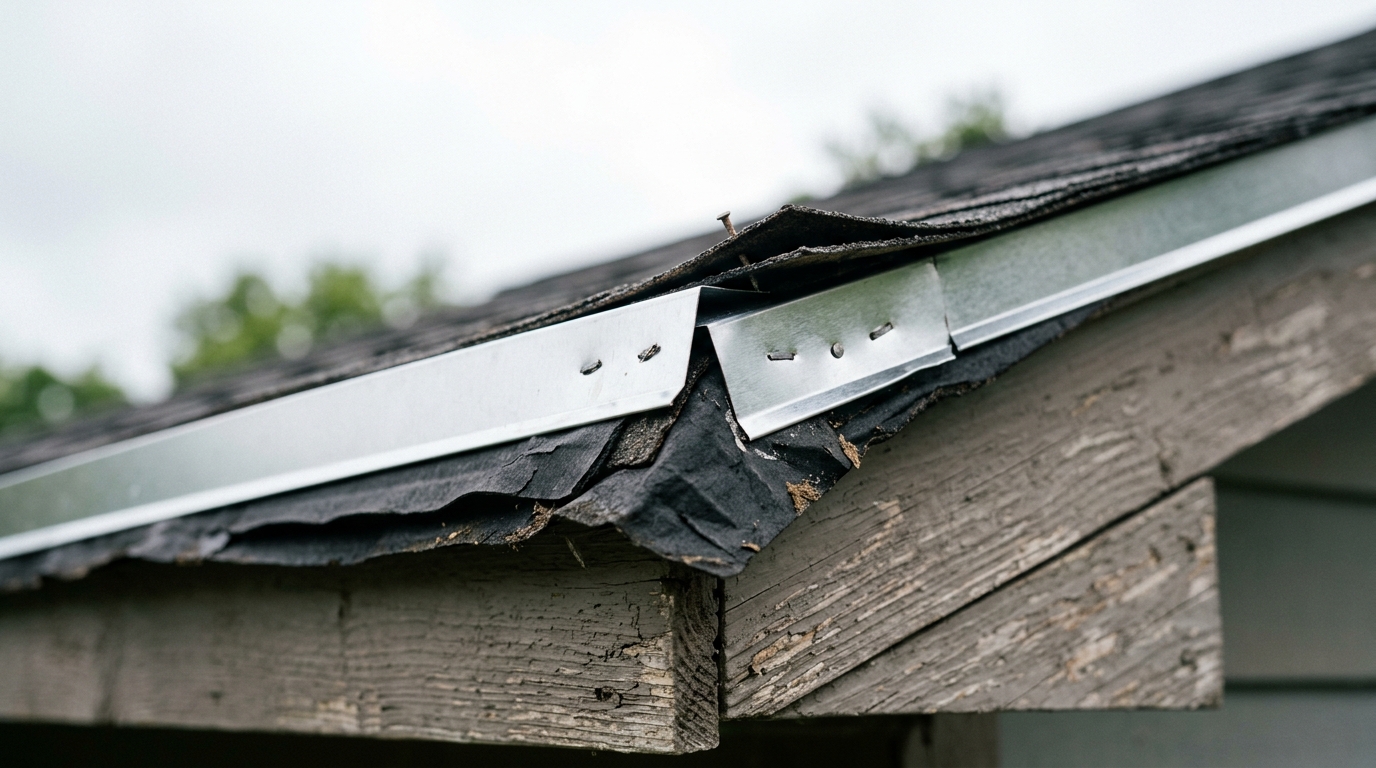
A roofing contractor's workmanship warranty is your only protection against installation errors, and five specific red flags in the fine print can leave Tennessee homeowners with zero coverage when they need it most. Read the warranty document before you sign any contract.
Why Your Roofing Workmanship Warranty Is Not the Same as the Manufacturer's Warranty
Most Middle Tennessee homeowners assume the 30-year or "lifetime" label on a shingle bundle means their entire roof is covered for decades. It does not. A manufacturer's warranty covers defects in the shingle or material itself. A workmanship warranty covers errors made by the contractor during installation: improper flashing, inadequate underlayment, missed nail patterns, and dozens of other field mistakes that cause premature leaks.
The distinction matters because the overwhelming majority of roof failures stem from installation error, not material defects. If your contractor's workmanship warranty is weak, vague, or missing entirely, you carry all the risk regardless of what the shingle label says.
Manufacturer Warranty vs. Workmanship Warranty: A Side-by-Side Comparison
- What it covers: Manufacturer warranty covers factory defects in shingles, underlayment, and accessories. Workmanship warranty covers labor errors made during installation.
- Who backs it: Manufacturer warranties are backed by the shingle company (e.g., GAF). Workmanship warranties are backed by your roofing contractor.
- Typical duration: Manufacturer warranties run 25 years to lifetime on materials. Contractor workmanship warranties range from 1 year (low-tier) to lifetime (elite contractors).
- Transferability: Manufacturer warranties are often transferable once. Workmanship warranties vary widely: many are void the moment you sell the home.
- Common exclusions: Manufacturer warranties exclude storm damage and improper installation. Workmanship warranties often exclude anything the contractor can attribute to "acts of God" or pre-existing conditions.
Red Flag 1: A Workmanship Warranty Shorter Than 5 Years
A one-year or two-year workmanship warranty is the industry minimum in name only. Roofing installation failures frequently appear between years three and seven, after seasonal expansion and contraction cycles have stressed every seam and flashing joint. A contractor offering less than five years of workmanship coverage is signaling that they do not expect their installation to hold up to scrutiny beyond the short term.
Reputable GAF Master Elite contractors in the Nashville and Franklin area back their installations with lifetime workmanship warranties. That benchmark exists because the GAF Master Elite designation requires it as a condition of certification. Only 3% of roofing contractors in the United States qualify for Master Elite status, which is why the warranty terms they offer are meaningfully different from the industry average.
Red Flag 2: No Transferability Clause
If the warranty document states that coverage applies only to the original purchaser, your warranty has zero value to the next buyer of your home. In a Middle Tennessee real estate market where buyers routinely request documentation of recent roof work, a non-transferable warranty is a liability at closing rather than an asset.
A strong workmanship warranty includes at least one free transfer to a subsequent homeowner. The best contractors in the Brentwood and Hendersonville areas structure their warranties so that transfer is automatic upon sale notification, with no additional inspection fee required.
Red Flag 3: Vague Language Around "Workmanship" and "Installation Error"
Watch for warranty documents that define covered claims in circular or undefined terms. Phrases like "defects arising from normal installation" or "errors beyond standard practice" give contractors legal room to deny nearly any claim. A legitimate workmanship warranty names specific covered failures:
- Flashing separation or improper sealing at chimneys, skylights, and roof penetrations
- Shingle blow-off attributable to insufficient fastening (not storm-force wind)
- Underlayment failures caused by improper overlap or fastening
- Ridge cap installation defects
- Improper ventilation installation leading to moisture buildup
If the document you receive does not specify what the contractor will repair or replace, ask for a revised version. A contractor who refuses to be specific about coverage is telling you exactly how they plan to handle your future claim.
Red Flag 4: Exclusions That Swallow the Coverage
Exclusion lists in low-quality warranties are sometimes longer than the coverage lists. The most damaging exclusions to watch for in Tennessee roofing contracts include:
- Any water intrusion classified as "storm-related": This lets a contractor deny a flashing leak by pointing to the last rain event, regardless of whether the flashing was properly installed.
- Damage from "inadequate attic ventilation": If your contractor did not assess and correct your ventilation during installation, this exclusion lets them blame a self-created condition.
- Coverage void if homeowner performs any maintenance: Some warranties exclude claims if you have cleaned gutters, replaced a vent cover, or allowed any third party onto the roof for any reason.
- Claims requiring written notice within 30 days of discovery: Tight notice windows are designed to create procedural grounds for denial. Reasonable warranties allow 90 days or more for written notice.
Red Flag 5: The Contractor Has No Verifiable Local Track Record
A warranty is only as strong as the company behind it. Storm-chaser contractors, common in Middle Tennessee after hail events, frequently offer impressive-sounding warranty language backed by a business that will not exist in two years. When the company closes, the workmanship warranty closes with it.
Before signing, verify the contractor's Tennessee roofing license number through the Tennessee Department of Commerce and Insurance contractor lookup. Confirm they carry both general liability insurance and workers' compensation coverage with certificates naming your property. Ask for the physical address of their local office, not just a P.O. box. A contractor operating in Nashville, Murfreesboro, or Franklin should have a verifiable local presence, not just a phone number.
How Ironclad Roofing's Lifetime Workmanship Warranty Is Structured
Ironclad Roofing backs every qualifying roof installation with a lifetime workmanship warranty that covers installation-related failures for as long as you own the home. The warranty is transferable to one subsequent owner at no charge, provided Ironclad receives written notice of the property sale within 30 days. Coverage is written in plain language that specifies flashing, underlayment, fastening, ventilation, and ridge installation as named covered systems.
As a GAF Master Elite certified installer, Ironclad is also authorized to offer the GAF Golden Pledge Limited Warranty on eligible systems. The Golden Pledge combines GAF's material warranty with an enhanced workmanship warranty backed by GAF itself, giving homeowners a second layer of protection that exists independently of the contractor. This dual-layer structure means your coverage survives even if contractor circumstances change.
Homeowners in Nashville, Franklin, Brentwood, Murfreesboro, and Hendersonville can request a full copy of the workmanship warranty document before any contract is signed. Ironclad provides the warranty in writing at the estimate stage, not after installation is complete.
What to Do Before Signing Any Roofing Contract in Tennessee
- Request the full warranty document in writing before the contract is signed.
- Confirm the warranty duration for workmanship separately from material coverage.
- Check transferability terms and the process for transfer at resale.
- Read the exclusion list in full and ask the contractor to explain each exclusion in plain terms.
- Verify the contractor's Tennessee license, insurance certificates, and local physical address.
- Ask whether the contractor is GAF Master Elite certified, which requires lifetime workmanship warranty terms as a condition of certification.
Roofing Workmanship Warranty FAQ for Tennessee Homeowners
What does a workmanship warranty cover on a roof?
A roofing workmanship warranty covers failures caused by errors made during installation, including improper flashing installation, insufficient fastening of shingles, underlayment defects, and ventilation installation mistakes. It does not cover material defects (which fall under the manufacturer's warranty) or damage from storm events that exceed the installed system's rated wind resistance.
How long should a roofing contractor's workmanship warranty last in Tennessee?
A credible roofing workmanship warranty in Tennessee should run a minimum of five years, and the strongest contractors offer lifetime coverage. GAF Master Elite certified contractors are required to offer lifetime workmanship warranty terms as a condition of maintaining their certification, making that designation a reliable benchmark for warranty quality.
Is a lifetime roofing warranty actually lifetime?
The term "lifetime" applies to the duration of your ownership of the home for workmanship warranties, and to the expected life of the product for manufacturer material warranties. A lifetime workmanship warranty from a certified contractor means covered installation defects will be repaired at no cost for as long as the warranting homeowner owns the property, provided the warranty is not voided by excluded conditions. Always read the definition of "lifetime" in the warranty document itself.
Can I transfer my roofing warranty when I sell my home in Tennessee?
Transferability depends entirely on the contractor's warranty terms. Many low-cost contractors issue non-transferable warranties that expire at the point of sale. Quality workmanship warranties from certified contractors allow at least one transfer to a subsequent homeowner, typically within 30 days of the sale closing. The GAF Golden Pledge warranty, available through Master Elite installers like Ironclad Roofing, includes a transfer provision backed by GAF rather than the contractor alone.
What happens to my workmanship warranty if the roofing contractor goes out of business?
If your contractor closes and your warranty was backed only by that contractor, your workmanship coverage is gone. This is one of the primary reasons to choose a contractor that offers manufacturer-backed warranty programs. The GAF Golden Pledge warranty, for example, is backed by GAF directly, meaning the warranty remains enforceable even if the installing contractor ceases operations. Verifying a contractor's local track record and business stability before signing is the first line of defense against this risk.
